
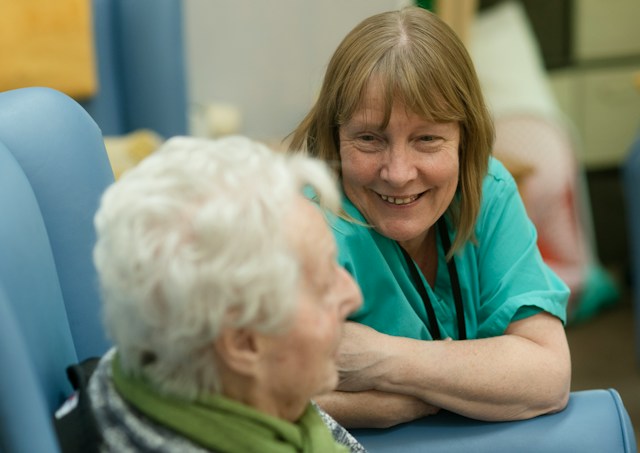
With approximately 34,000 people living in care homes in Scotland at any one time, and around 20,000–25,000 admissions each year, moving into a care home is a significant life event. Understanding what to expect can help make the transition less daunting. One of the most common concerns families have is whether their loved one will settle into a care home and how long the process might take. The truth is that every person is different and some residents feel comfortable within days, while others may need several weeks or longer to become familiar with their new surroundings. What matters most is having the right support, patience and understanding throughout the transition. While moving into a care home can feel daunting at first, it also offers opportunities for companionship, personalised care and a greater sense of security. Understanding what to expect can help families approach this new chapter with confidence and reassurance.


Understanding The Transition Into Care
Moving into a care home often involves leaving behind a place filled with memories and routines. For many older adults, home represents familiarity, independence and comfort. Adjusting to a new environment can therefore take time, even when the move is positive and necessary.
The process usually begins well before moving day, as families often spend time researching care homes, attending visits and discussing options with their loved one. Once a care home has been chosen, there will typically be assessments to ensure the home can provide the right level of support. This stage also allows residents and families to ask questions and gain a clearer understanding of what daily life will be like.
The move itself can feel like a significant milestone. There may be practical arrangements to make, paperwork to complete and personal belongings to organise. While these tasks can seem overwhelming, approaching them gradually can help make the transition feel more manageable.
The first few days in a care home are often a period of adjustment. There are new surroundings to become familiar with and different aspects of daily life to learn. Some residents may feel settled quite quickly while others need more time to adapt. Both experiences are completely normal and each individual is different.
It is also important to recognise that this transition can bring feelings of uncertainty. Both residents and their families may experience a range of emotions, including stress, anxiety, hope and a sense of new beginnings. Understanding that adjustment takes time can help ease expectations and reduce unnecessary pressure.
Rather than viewing the move as a single event, it can be helpful to see it as a gradual transition. As days turn into weeks, many residents begin to feel more comfortable in their surroundings and gain confidence in their new environment. With patience and support, the transition into care can become the start of a positive and fulfilling stage of life.
Creating A Sense Of Home & Familiarity
One of the most effective ways to help someone settle into a care home is by creating a familiar and welcoming environment. Personal belongings can play an important role in making a new room feel comfortable and reassuring. Photographs of family members, favourite ornaments and treasured keepsakes often provide a sense of continuity during the transition.


Familiar items can help residents feel connected to their life story and maintain a sense of identity within their new surroundings. Daily routines can also provide reassurance. While care homes have structured schedules, many strive to accommodate personal preferences wherever possible. Whether it is enjoying a morning cup of tea at a particular time, reading the newspaper after breakfast or following a familiar bedtime routine, maintaining these habits can help residents feel more at ease.
Families can support this process by sharing information about their loved one's likes, dislikes and personal history. The more the care team understands about the individual, the better they can tailor support to meet their needs through person-centred care. It is also helpful to remember that settling in does not happen overnight. There may be good days and more challenging days during the adjustment period. This is a normal part of adapting to change and does not necessarily mean the move was the wrong decision.
The Importance Of Building Relationships
Strong relationships are often at the heart of a positive care home experience. Getting to know fellow residents and members of the care team can help create a sense of belonging and community. Many care homes offer opportunities for social interaction through activities, shared dining experiences and informal gatherings. These moments allow residents to connect with others, develop friendships and feel part of daily life within the home.
For some people, joining activities may come naturally. Others may prefer a quieter approach and need more time before engaging with group events. Both responses are perfectly normal. The key is allowing residents to settle at their own pace while gently encouraging opportunities for interaction when they feel ready.


Relationships with carers are equally important and trust develops over time through consistent support, kindness and understanding. Familiar faces and regular communication can provide reassurance and help residents feel secure.
Families also continue to play a vital role during this period, such as regular visits, phone calls and conversations can offer comfort and reinforce important emotional connections. However, it is also important to allow space for residents to build their own routines and relationships within the home.
Finding the right balance can sometimes be challenging. Families often want to be present as much as possible, particularly in the early days. While ongoing support is valuable, allowing residents opportunities to become familiar with their new environment independently can also contribute positively to the settling-in process.
How Families Can Support A Loved One Settling Into A Care Home
Family support remains incredibly important throughout the transition into care. While professional carers provide daily assistance, loved ones often offer familiarity and emotional reassurance that cannot be replaced. Open communication can make a significant difference. Talking honestly about feelings and expectations allows concerns to be addressed before they become overwhelming. Listening carefully to a loved one's experiences can help families understand how they are adjusting and identify any additional support they may need.
It is also beneficial to work closely with the care team. Sharing information about hobbies, interests and important life experiences can help carers build meaningful connections and provide more personalised support.
Patience is essential during this time, as it can be difficult to see a loved one feeling uncertain or emotional, particularly during the first few weeks. However, adjustment is often a gradual process. Many residents become increasingly comfortable as they develop new routines and relationships.
Families should also remember to acknowledge the positive aspects of the move. A care home can provide access to professional support, social opportunities and a safe environment that may not have been possible at home. Recognising these benefits can help both residents and relatives feel more confident about the decision.
Over time, many families find that their loved one begins to enjoy aspects of care home life that they had not anticipated. New friendships, engaging activities and personalised care can contribute to a fulfilling and meaningful experience.
Looking Ahead With Confidence
Settling into a care home is a journey rather than a single event. Every resident adapts at their own pace and there is no set timeline for feeling completely at home. What matters most is having the right support, understanding and encouragement throughout the process.
The early days may bring uncertainty, but they also mark the beginning of new opportunities for comfort, companionship and wellbeing. With a caring environment, personalised support and strong family involvement, many residents gradually develop a sense of familiarity and belonging.
For families, knowing what to expect can provide valuable reassurance during what is often an emotional transition. By working together with the care team and focusing on the individual's needs and preferences, it is possible to create a positive experience that supports both confidence and quality of life.
Looking for a care home that feels welcoming from day one? Contact Bower Care Home to arrange a personal tour and meet our caring team.