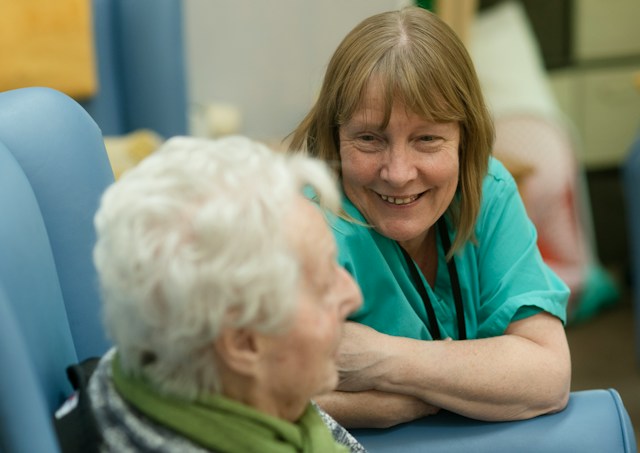

When a loved one is living with dementia, families often begin a journey filled with questions, emotions and important decisions. One of the most reassuring concepts to understand during this time is person-centred care. It is widely recognised as the foundation of high-quality dementia support, and it shapes how care homes can create comfort, dignity and meaningful daily experiences. At its core, person-centred care is about seeing the individual before the condition. In a luxury care home setting, this approach goes even further, focusing on creating a calm, homely and enriching environment where each person feels valued, understood and safe.


Understanding Person Centred Dementia Care
In a modern care home, person-centred dementia care is an approach that places the individual at the centre of every decision. Rather than focusing only on medical needs or routines, it considers a person’s history, personality, preferences and emotional wellbeing. Every person living with dementia experiences the condition differently. Some may enjoy conversation and group activities while others may prefer quiet moments and familiar surroundings. Person-centred care is important because it recognises these differences and adapts support accordingly. It is not about changing the person to fit the care, it's about shaping care around the person so they can continue to live with comfort and purpose. In a luxury care home this approach is reflected in every detail from the way staff communicate to how daily routines are structured. The aim should always be to preserve identity and promote a sense of belonging to that individual.

Why Person Centred Care Is So Important in Dementia Support
Dementia can affect memory, communication and behaviour but it does not remove a person’s identity. Practising person-centred care ensures that identity remains at the heart of everything - rather than a one size all approach. One of the most important benefits is emotional reassurance, for example, when care is tailored and consistent, residents are more likely to feel calm and secure. Familiar routines and meaningful interactions reduce confusion and help prevent distress, and it also supports independence. Even as needs change or progress, many people living with dementia can still make choices about their day. Whether it is choosing meals, selecting activities or deciding how to spend their time, these small decisions make a meaningful difference to wellbeing. Families often find comfort in knowing their loved one is not being treated as a diagnosis but as a whole person with a life story that continues to matter.
Getting To Know The Person Behind The Diagnosis
A key part of person-centred dementia care is understanding who the person is beyond their care needs. This begins with listening from the care teams, and taking time to learn about a resident’s life story including their career, family, hobbies, routines and important memories. These details help create a personalised approach that feels natural and respectful. For example, someone who once enjoyed gardening may benefit from time spent in outdoor spaces or caring for indoor plants. A person who loved music may find comfort in familiar songs from earlier years. These meaningful connections can spark recognition and joy even when memory becomes less reliable. In a luxury care home environment, this level of personal attention is essential. It helps create a sense of home rather than an outdated institutional setting.
Creating A Safe & Reassuring Environment
The physical environment plays a significant role in dementia care. Person-centred care is not only about emotional support but also about creating spaces that feel safe and easy to navigate. Luxury care homes such as Bower Care Home in Linlithgow often focus on calm interiors, natural light and comfortable furnishings that reduce confusion and promote relaxation. Clear layouts and gentle design features help residents move around more confidently. Familiarity is also important, including personal belongings such as photographs, ornaments and treasured items help residents feel grounded in their surroundings. These objects provide comfort and can trigger positive memories. A safe environment is not just about preventing risk. It is about creating peace of mind for both residents and their families.
The Role Of Staff In Person Centred Dementia Care
Care teams are at the heart of delivering person-centred support as their role goes far beyond daily tasks. It is about building relationships based on trust, respect and genuine understanding.
Staff are trained to communicate with patience and empathy. They take time to listen and respond in ways that feel calm and reassuring. This approach helps reduce anxiety and builds confidence.
Consistency is also important and seeing familiar faces each day helps residents feel secure and supported, especially someone with dementia. Over time these relationships become deeply meaningful and form a key part of everyday wellbeing. In a luxury care home setting, staff are encouraged to notice small details. A change in mood, a preference for certain routines or a comfort habit can all help shape more personalised care.
Supporting Emotional Wellbeing Through Individualised Care
Dementia does not only affect memory, it can also influence emotions and how a person experiences the world around them. Person-centred care recognises the importance of emotional wellbeing alongside physical health. Activities are tailored to individual interests and abilities. These may include gentle exercise, creative sessions, music, conversation groups or quiet reflection time. The goal is not to fill time but to create moments of enjoyment and purpose. Emotional wellbeing is also supported through routine. Predictable daily rhythms help reduce anxiety and provide reassurance. However, flexibility is equally important so residents can choose how they wish to spend their time. Families often notice that when emotional needs are met, communication and engagement improve as well.
Involving Families As Part Of The Care Journey
Family involvement is a central part of person-centred dementia care, as loved ones hold valuable knowledge about a person’s life history, preferences and personality. Care teams work closely with families to build a complete picture of the individual. This partnership helps ensure care remains consistent and meaningful over time. Visits and shared moments are encouraged as part of daily life in the care home. Families are supported to stay connected in ways that feel comfortable and natural. This ongoing involvement provides reassurance and strengthens relationships. For many families this collaboration brings peace of mind knowing their loved one is understood and cared for as an individual.
The Benefits Of Person Centred Care In A Luxury Setting
A luxury care home provides an environment where person-centred care can truly flourish. High staffing levels, personalised attention and thoughtfully designed surroundings allow for a deeper focus on individual wellbeing. Residents benefit from a calm atmosphere, tailored routines and opportunities for meaningful engagement. Every detail is considered with comfort and dignity in mind. This approach supports not only physical care needs but also emotional fulfilment. It helps residents continue to experience joy, connection and purpose in daily life. For families, it offers reassurance that their loved one is living in a place where they are genuinely known and valued.
Final Thoughts On Person Centred Dementia Care
Person-centred dementia care is more than a care philosophy - it is a commitment to dignity, individuality and compassion. By focusing on the person rather than the condition, care homes can create environments where residents feel safe, respected and understood. This approach is especially important in dementia support where emotional wellbeing is just as significant as physical care.
In a luxury care home setting, person-centred care becomes the foundation of everyday life. It ensures that every resident is treated with kindness and attention while continuing to live a meaningful and enriched life. For families seeking reassurance during an emotional time, it provides confidence that their loved one is receiving care that truly reflects who they are.